
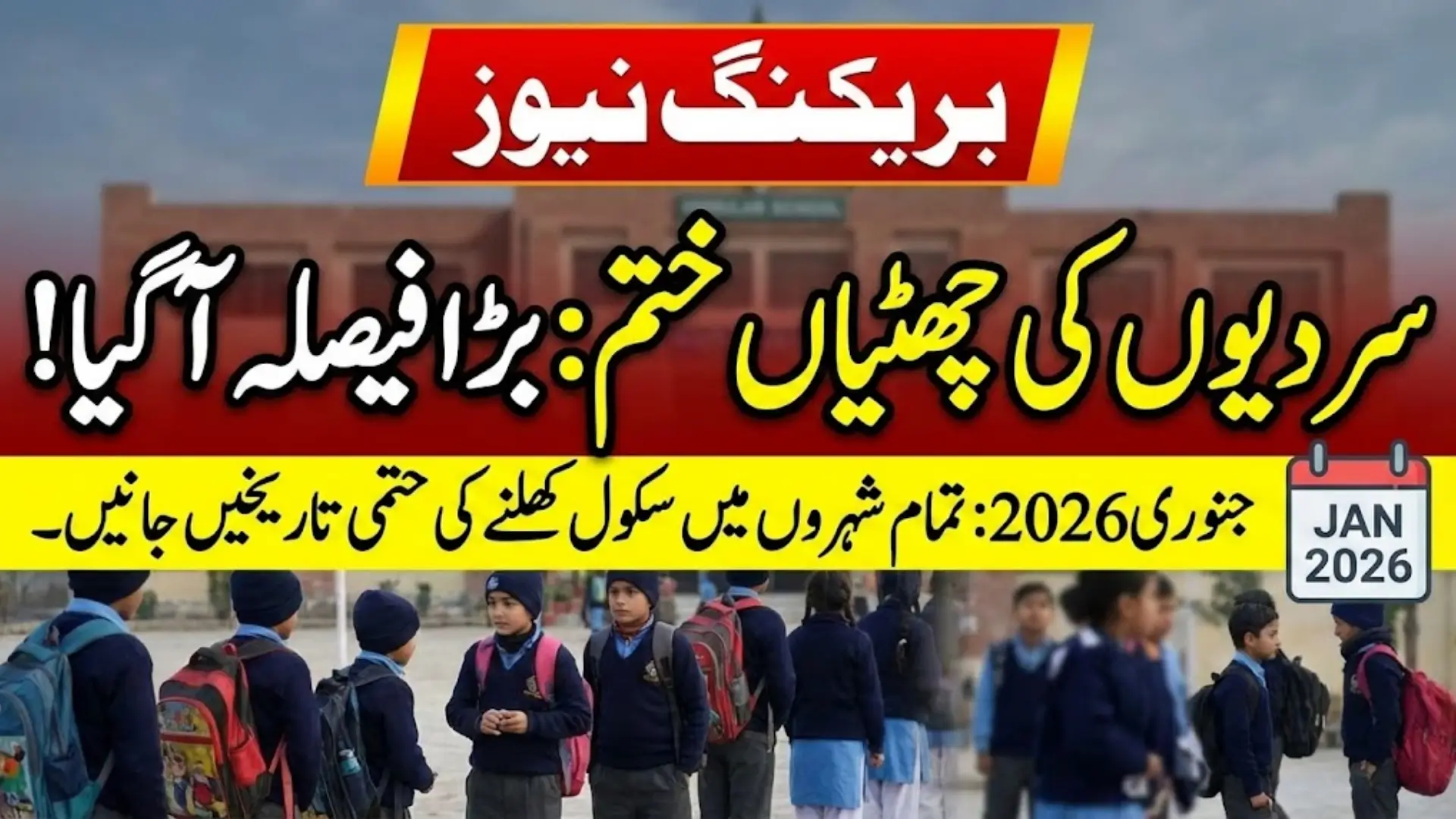
Schools Reopening After Winter Vacation
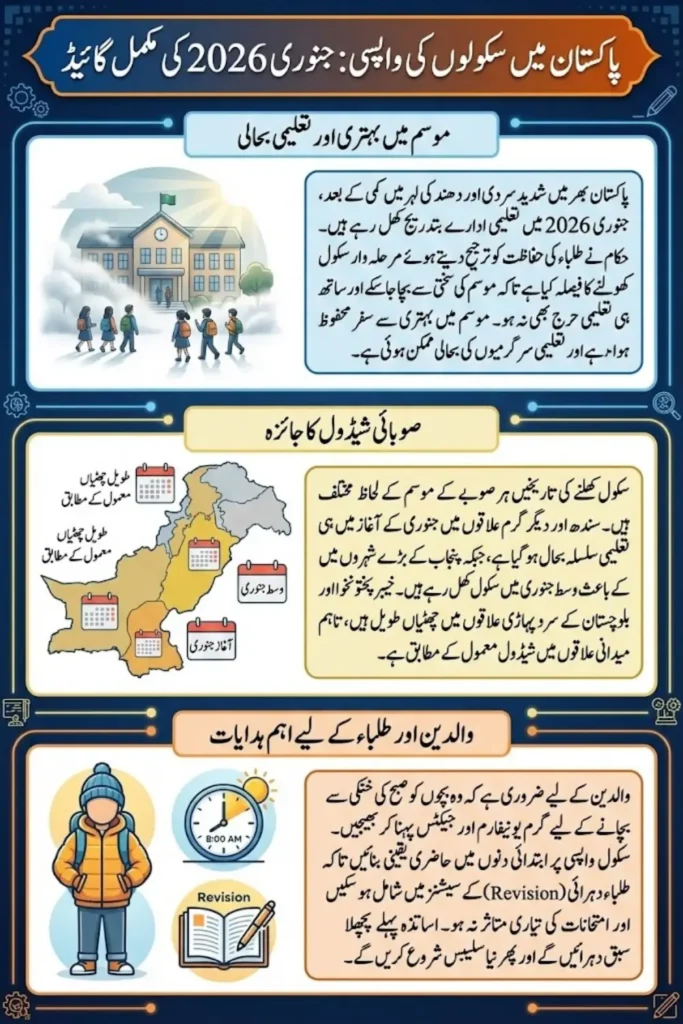
Winter vacations in Pakistan are gradually ending in January 2026, and students across the country are getting ready to return to schools and colleges. Every year, winter breaks are announced to protect students from extreme cold, dense fog, and harsh weather conditions, especially in northern and hilly areas. As the weather slowly improves, provincial education departments have started reopening schools in phases, allowing students to resume their academic routines safely.
While reopening dates are not the same across all provinces, most schools are expected to resume classes in early to mid-January 2026. This phased approach ensures both student safety and uninterrupted academic progress.
Overview of Winter School Reopening in Pakistan
Winter vacations are a necessary part of the academic calendar in Pakistan, helping students avoid extreme cold and transportation difficulties during peak winter. Each province sets its own schedule depending on the local climate. In January 2026, schools are reopening with a focus on gradual reintegration, revision, and preparation for upcoming exams.
Provincial authorities aim to strike a balance between health safety and educational continuity. This allows schools in colder areas to extend holidays without significantly delaying the syllabus. At the same time, warmer districts resume earlier, keeping the academic calendar on track.
Key points about reopening schedules:
- Provincial education departments determine holidays separately.
- Schools in colder districts had slightly longer vacations.
- Warmer districts reopened sooner to maintain syllabus continuity.
How Weather Influences School Reopening
Weather plays a major role in deciding school reopening dates. By January, daytime temperatures across Pakistan improve enough for students to attend classes safely. Morning cold still persists, but it is now manageable, and fog, which previously disrupted travel, has decreased in intensity.
This improvement allows schools to plan reopening while keeping student safety in mind. Parents are advised to prepare children for early mornings and cold weather during commutes.
Benefits of improved weather conditions for school reopening:
- Reduced risk of cold-related illnesses
- Safer travel conditions on roads affected by fog
- Easier outdoor activities and sports for students
Sindh Schools Reopening Schedule
Sindh generally experiences milder winters, which leads to shorter winter vacations. Most schools in Sindh reopened at the start of January 2026, including major cities like Karachi, Hyderabad, and Sukkur. Rural areas followed similar schedules to ensure that students do not miss important lessons.
Schools in Sindh focus on continuing the syllabus immediately while also including short revision sessions for students to catch up after the break. This approach ensures academic continuity without compromising student health.
Highlights for Sindh:
- Winter break lasted around two weeks for most districts
- Early January reopening ensures lessons are not delayed
- Revision sessions help students readjust to school routines
Punjab School Reopening Plan
In Punjab, colder weather and heavy fog extended winter holidays slightly longer than in Sindh. Major cities like Lahore, Faisalabad, Multan, and Rawalpindi reopened schools in mid-January 2026. Education departments ensured that this short extension did not affect overall syllabus completion.
Schools in Punjab also focus on student safety during early mornings. Many institutions allow flexibility during the first few days, giving students time to readjust while monitoring attendance and participation.
Key points for Punjab:
- Mid-January reopening for major cities
- Short adjustment period for students due to cold mornings
- Focus on revision and gradual introduction of new topics
Khyber Pakhtunkhwa and Balochistan Schedule
In Khyber Pakhtunkhwa (KP) and Balochistan, winter vacations varied depending on the climate of each district. Colder mountainous regions, such as Chitral, Swat, and Ziarat, had longer breaks, while warmer districts like Peshawar and Quetta city reopened earlier.
This flexible system ensures student safety while maintaining academic continuity. Schools in colder regions gradually resumed classes, starting with revision sessions before introducing new lessons.
Reasons for Ending Winter Vacations
While weather improvement is the main reason for ending winter breaks, academic requirements also play a crucial role. Education departments want to ensure that students complete the syllabus on time and are adequately prepared for upcoming assessments.
Other reasons include:
- Maintaining a consistent academic calendar
- Preventing delays in exam schedules
- Helping students stay disciplined and focused
What Students Can Expect in the First Week
Returning to school after a long break can be challenging for students. Teachers usually start with revision sessions to refresh concepts learned before the vacation. Schools may also allow some flexibility in timing during the first few days.
- Revision-focused classes to help students catch up
- Shorter or adjusted school hours initially in colder areas
- Gradual return to regular academic routines
Attendance and Safety Guidelines
Once schools reopen, attendance becomes compulsory. Parents should ensure their children are on time, properly dressed, and prepared for cold weather. Schools may monitor attendance closely during the initial days to track student participation.
Tips for parents and students:
- Ensure punctual arrival to school
- Dress appropriately for cold mornings
- Encourage regular attendance to maintain academic progress
Winter Uniform and Health Precautions
Even after winter vacations, temperatures in many regions remain low, especially in the mornings. Schools continue to allow winter uniforms, sweaters, and jackets. Parents should encourage children to take necessary precautions to stay healthy.
- Warm clothing is essential for morning commutes
- Maintain proper nutrition and hydration
- Schools may provide extra breaks for outdoor activities in colder weather
Academic Planning by Schools and Teachers
Teachers across Pakistan are preparing for the return of students. Many schools prioritize revision of past lessons before introducing new topics. Timetables are updated, and exam preparation plans are put in place to ensure students adjust smoothly.
- Revision sessions reinforce previous learning
- Updated schedules help manage academic workload
- Close monitoring ensures students adapt to post-vacation routines
Social and Educational Benefits of Returning to School
Returning to school is not only about academics. Social interaction, peer learning, and structured routines are equally important for students. Being back in the classroom helps children develop discipline, maintain daily schedules, and engage in productive activities.
- Interaction with classmates enhances communication skills
- Structured routine maintains academic consistency
- Early adaptation leads to better exam performance and overall growth
City-Wise Winter Reopening Table
Here is a natural table summarizing winter vacation and reopening dates for major cities in Pakistan:
| Province | City | Winter Vacation Duration | Reopening Date |
|---|---|---|---|
| Sindh | Karachi | 2 weeks | Jan 2, 2026 |
| Sindh | Hyderabad | 2 weeks | Jan 3, 2026 |
| Punjab | Lahore | 2.5 weeks | Jan 14, 2026 |
| Punjab | Faisalabad | 2.5 weeks | Jan 15, 2026 |
| Khyber Pakhtunkhwa | Peshawar | 2 weeks | Jan 10, 2026 |
| Khyber Pakhtunkhwa | Swat | 3 weeks | Jan 15, 2026 |
| Balochistan | Quetta | 2 weeks | Jan 12, 2026 |
| Balochistan | Ziarat | 3 weeks | Jan 18, 2026 |
Final Summary
Winter vacations in Pakistan are ending in January 2026, and schools across the country are reopening according to provincial schedules. While dates differ depending on local climate, most students are returning to classrooms during early or mid-January. Parents and students should stay updated with school notifications, follow safety precautions, and ensure a smooth transition back to regular academic activities.
Returning to school not only helps students continue their studies but also restores social interaction, discipline, and structured daily routines. With proper planning and preparation, students can quickly adjust and make the most of the post-winter academic months.