
Balochistan Launches Subsidized Electric Scooter Scheme
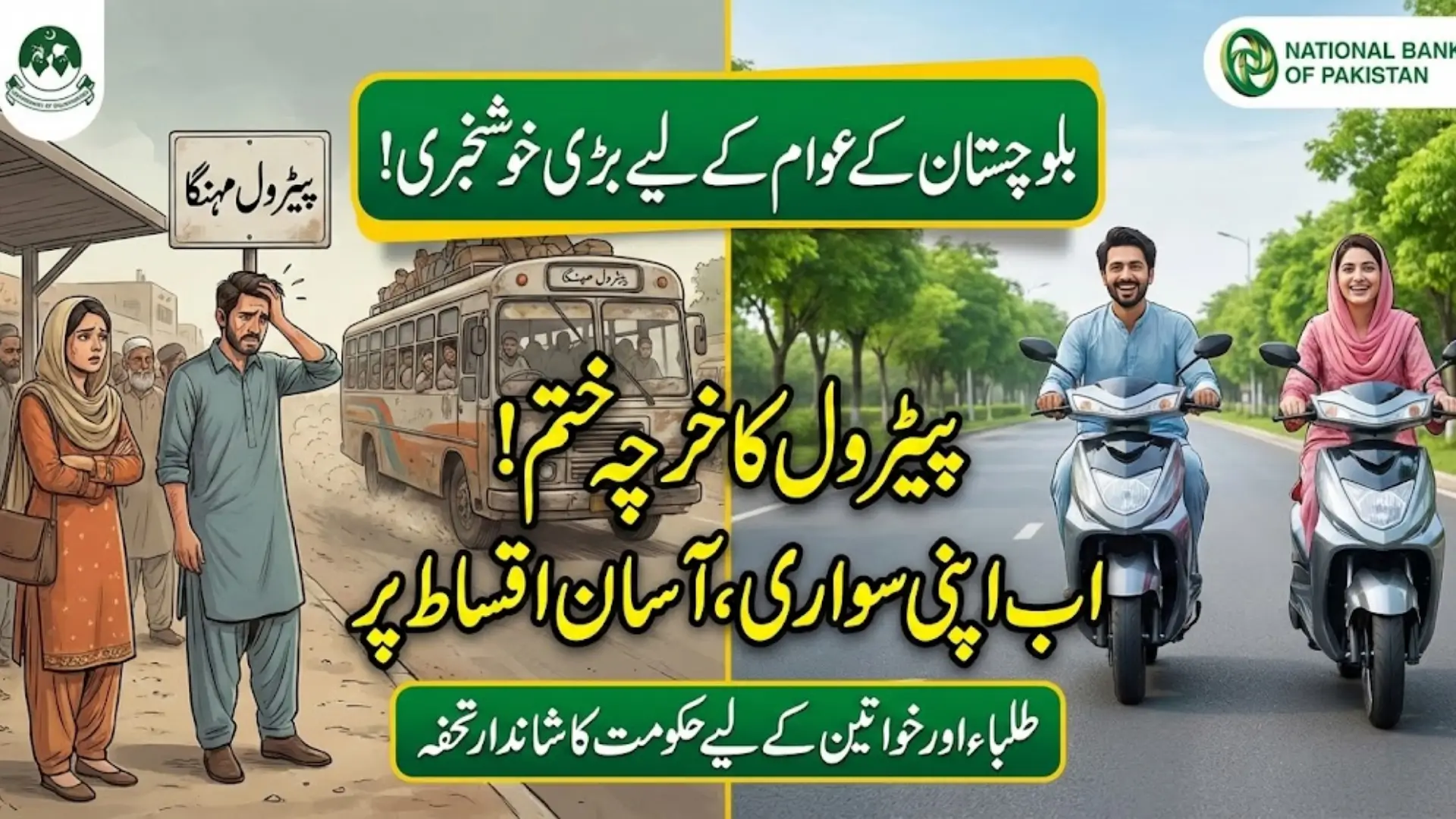
Balochistan Launches Subsidized Electric Scooter Scheme Government of Balochistan has officially launched a subsidized electric scooter scheme in cooperation with the National Bank of Pakistan, marking an important step toward solving everyday transport problems faced by ordinary citizens. In a province where fuel prices, limited public transport, and long commuting distances create daily stress, this initiative offers a practical and timely solution. The scheme is aimed at providing affordable, safe, and modern transportation, especially for students, working women, and the general public.
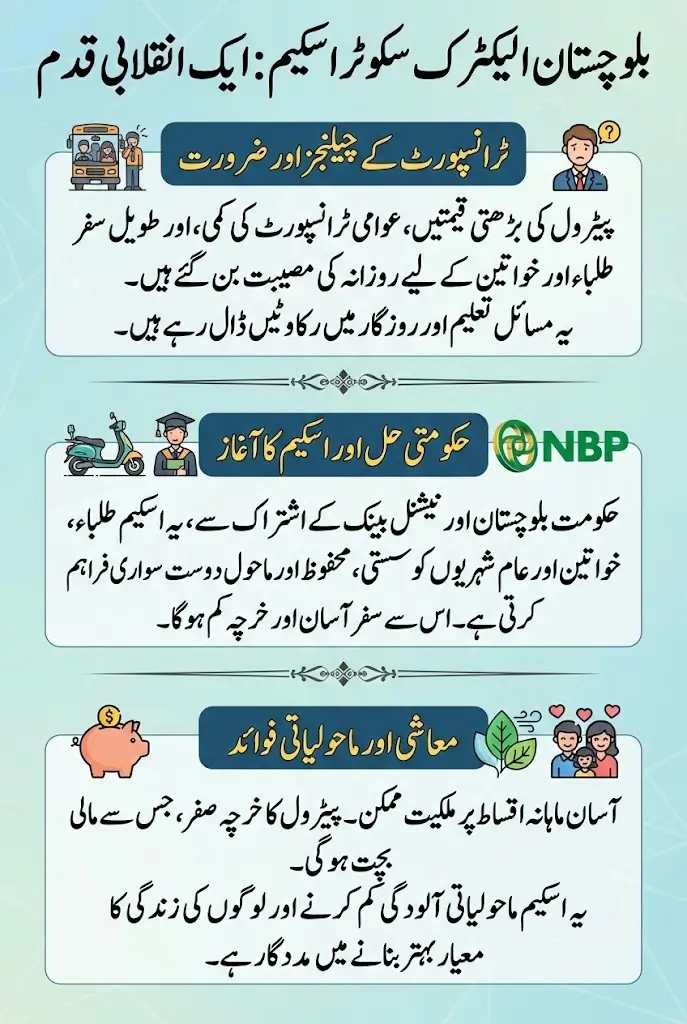
From what I have observed, transport is not just a convenience issue in Balochistan; it directly affects education, employment, and quality of life. Many students struggle to reach colleges on time, while working women often face safety and availability concerns. This electric scooter program directly targets these ground realities and reflects a shift toward people-focused governance rather than symbolic announcements.
You Can Also Read: Silver Rate In Pakistan
Introduction to the Electric Mobility Initiative
Electric mobility is slowly gaining attention in Pakistan, but Balochistan’s move stands out because it directly connects green transport with public welfare. The provincial government has recognized that rising fuel costs and unreliable transport systems are placing an increasing burden on households. Electric scooters, which are cheaper to operate and maintain, provide a realistic alternative for daily commuting.
This initiative is not about luxury vehicles or elite benefits. It is designed for routine use such as going to schools, offices, markets, and health facilities. By focusing on simple electric scooters instead of high-end electric cars, the government has chosen a solution that fits local needs and economic realities.
Key goals of the electric mobility initiative include:
- Reducing daily transport expenses for citizens
- Providing a reliable personal commuting option
- Encouraging the use of environmentally friendly vehicles
You Can Also Read: BISP Taleemi Wazaif Verification Started for Oct–Dec 2026
Strategic Partnership Between Provincial Government and NBP
The partnership with the National Bank of Pakistan gives this scheme financial credibility and structure. The provincial government is providing policy backing and subsidies, while NBP is managing the installment-based financing model. This collaboration ensures that the scheme does not remain limited to announcements but is implemented through a trusted banking channel.
For many people in Balochistan, access to formal banking is limited, and large upfront payments are impossible. Through NBP, the government is enabling citizens to own electric scooters through manageable monthly installments. This also helps bring more people into the formal financial system, which is an added long-term benefit.
The partnership ensures:
- Transparent and regulated installment plans
- Reduced financial pressure on buyers
- Secure financing through a national-level bank
Signing Ceremony and Key Stakeholders
The memorandum of understanding was signed at the Chief Minister’s Secretariat in Quetta, indicating that the project has strong political and administrative backing. Chief Minister Mir Sarfaraz Bugti personally attended the ceremony, along with Provincial Minister Mir Sadiq Umrani, senior government officials, and representatives of the National Bank of Pakistan.
Such high-level involvement usually determines whether a project moves beyond paperwork. In this case, the presence of top leadership sends a clear message that the provincial government intends to follow through. It also reassures the public that the scheme is officially approved and monitored at the highest level.
You Can Also Read: New PTA Tax For Used iPhone 15 Series in Pakistan
Who Can Benefit From the Scheme
The electric scooter scheme has been designed with inclusivity in mind. Students and working women are the primary focus, but the general public is also eligible. This broad eligibility ensures that the program benefits a wide segment of society rather than a limited group.
In my experience covering public welfare initiatives, schemes fail when they are too restrictive. This program avoids that mistake by addressing common commuting needs across different social groups, particularly those who rely on daily travel for education and employment.
Main beneficiary groups include:
- Students traveling to schools, colleges, and universities
- Working women commuting to offices and workplaces
- General citizens seeking affordable personal transport
You Can Also Read: Shaban Moon 2026: Shab-e-Barat Date Announced
Affordable Installment-Based Ownership Model
One of the strongest aspects of the scheme is its installment-based ownership model. Instead of paying the full price upfront, applicants can purchase electric scooters through easy monthly payments facilitated by the National Bank of Pakistan. This model makes ownership realistic for families with fixed monthly incomes.
The subsidy provided by the provincial government further reduces the financial burden. Combined with low running costs of electric scooters, this approach makes daily commuting significantly cheaper than fuel-powered alternatives.
| Aspect | Details |
|---|---|
| Vehicle Type | Electric Scooter |
| Financing Partner | National Bank of Pakistan |
| Payment Method | Subsidized monthly installments |
| Target Users | Students, working women, general public |
Improving Daily Commute and Urban Mobility
Daily commuting in cities like Quetta can be exhausting due to traffic congestion and limited public transport options. Electric scooters offer flexibility, allowing users to travel on their own schedule without waiting for buses or paying high fares.
For students, this means reaching classes on time. For working women, it provides safer and more independent mobility. Over time, increased use of electric scooters can also reduce pressure on overcrowded public transport systems.
Expected improvements include:
- Time-saving daily travel
- Greater independence in commuting
- Reduced reliance on informal transport
You Can Also Read: BISP 8171 Payment Update 2026 Bank Alfalah ATMs
Environmental and Sustainability Impact
Beyond personal convenience, the scheme also contributes to environmental protection. Electric scooters produce no direct emissions, helping reduce air pollution in urban areas. While one scooter may seem insignificant, large-scale adoption can have a meaningful impact on city air quality.
This initiative aligns Balochistan with global trends toward clean energy and sustainable transport. It also sends a message that environmental responsibility can go hand in hand with economic relief for citizens.
Environmental benefits include:
- Zero fuel consumption
- Lower carbon emissions
- Reduced noise pollution
Social Inclusion and Economic Empowerment
Access to transport is closely linked with economic opportunity. When people can travel easily and affordably, they are more likely to pursue education, accept jobs, and participate in economic activities. This scheme directly supports women and youth, two groups that often face mobility restrictions.
By improving access to transport, the government is indirectly supporting household incomes and workforce participation. This kind of empowerment has long-term social benefits that go beyond transport alone.
You Can Also Read: PTA Tax Reduced FBR Announces Major Relief on 4 Imported
Government’s Long-Term Development Vision
Chief Minister Mir Sarfaraz Bugti has emphasized that this project reflects the provincial government’s commitment to practical welfare initiatives. Rather than short-term relief measures, the focus is on sustainable solutions that improve daily life.
The electric scooter scheme fits into a broader vision of inclusive development, where government policies address real-world challenges faced by ordinary people. Transport, being a daily necessity, is a logical starting point for such reforms.
Future Prospects of Public Transport Reforms in Balochistan
If implemented successfully, this scheme could become a model for future transport reforms in the province. It may encourage similar programs involving electric bikes, public charging infrastructure, and expanded green transport financing.
For many citizens, this initiative represents more than just a scooter. It signals a growing awareness within the provincial government that development must be felt on the streets, not just discussed in offices